4 Key Features of 2-in-1 Laptops
2-in-1 laptops combine the functionality of a traditional laptop with the flexibility of a tablet. They are designed for users who want productivity, portability, and versatility in a single device.
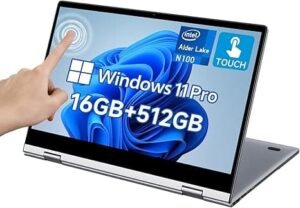
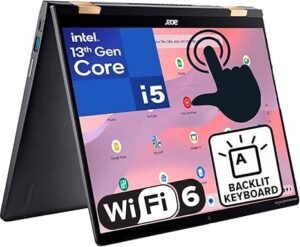
1. Convertible or Detachable Design
The convertible or detachable design is the defining feature of a 2-in-1 laptop. It allows the device to function both as a traditional laptop and as a tablet, providing users with greater flexibility than a standard notebook.
There are two main types of 2-in-1 designs:
Convertible Design
Convertible laptops use a 360-degree hinge that allows the display to rotate completely backward. This enables users to switch between different modes without separating the keyboard from the screen.
Detachable Design
Detachable models feature a removable keyboard that can be physically disconnected from the display, turning the device into a standalone tablet.
Benefits
- Combines two devices in one
- Reduces the need to carry both a laptop and a tablet
- Adapts to different work environments
- Offers flexibility for productivity and entertainment
Practical Example
A business professional may use the device in laptop mode to prepare reports and then switch to tablet mode to present information during a meeting.

- Laptop Size: This renewed Lenovo Latitude 7420 2 in 1 Business Laptop, has a screen size of 14 “and a length to width ra…
- Processor: This Renewed Dell Latitude 7420 2-in-1 touch laptop is installed with Intel Core i7-1165G7 (4.7GHz Max Turbo …
- Powerful Memory: This refurbished Laptop computer has installed 16GB of RAM running memory and 512GB of Solid State Driv…
2. Touchscreen Display
A touchscreen display allows users to interact directly with the screen using their fingers instead of relying solely on a keyboard and touchpad.
The screen contains touch-sensitive technology that detects gestures such as tapping, swiping, pinching, and dragging. This creates a more natural and intuitive user experience, especially when using the device in tablet mode.
Common Touch Gestures
- Tap to select
- Swipe to navigate
- Pinch to zoom
- Drag to move objects
- Multi-finger gestures for shortcuts
Benefits
- Faster navigation
- More intuitive interaction
- Improved accessibility
- Enhanced tablet functionality
- Better user engagement
Practical Example
A student reviewing lecture slides can quickly zoom into diagrams, highlight content, and navigate documents directly with touch gestures.
Productos por categoría
-
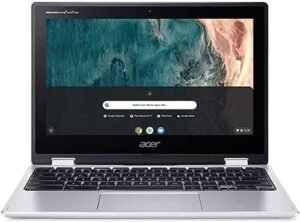
The Acer Convertible Chromebook CP311-2H-C679 is a versatile and compact device designed for on-the-go users. Featuring an 11.6-inch IPS HD touchscreen
-
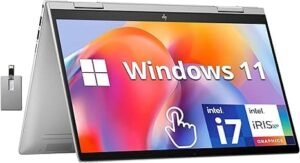
The HP Envy x360 is a versatile 2-in-1 laptop that combines power and flexibility in a sleek 14-inch design.
-
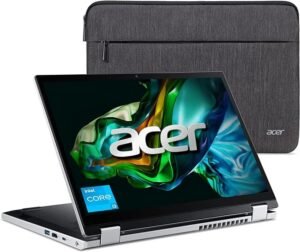
The Acer Aspire 3 Spin 14 is a versatile convertible laptop designed to meet the needs of modern users.
3. Stylus or Pen Support
Many 2-in-1 laptops support a digital stylus, also known as a smart pen. This accessory allows users to write, draw, sketch, annotate, and interact with the screen with greater precision than a finger.
Modern styluses often include advanced technologies such as:
- Pressure sensitivity
- Palm rejection
- Tilt recognition
- Programmable shortcut buttons
Pressure Sensitivity
The harder the user presses, the thicker or darker the digital stroke becomes, closely simulating traditional writing or drawing tools.
Palm Rejection
Allows users to rest their hand naturally on the screen while writing without generating unintended inputs.
Benefits
- Natural handwriting experience
- Precise drawing and illustration
- Efficient note-taking
- Easy document annotation
- Enhanced productivity for creative tasks
Practical Example
An architect can sketch design concepts directly on the screen, while a student can take handwritten notes that are automatically stored digitally.


4. Versatile Usage Modes
One of the greatest advantages of a 2-in-1 laptop is its ability to operate in multiple configurations depending on the user’s needs. Thanks to its convertible or detachable design, the device can quickly adapt to different situations.
Laptop Mode
This is the traditional configuration where the screen and keyboard function like a standard laptop.
Best For:
- Typing documents
- Programming
- Office work
- Productivity tasks
Tablet Mode
The keyboard is folded behind the screen or detached entirely, transforming the device into a tablet.
Best For:
- Reading
- Browsing
- Note-taking
- Drawing
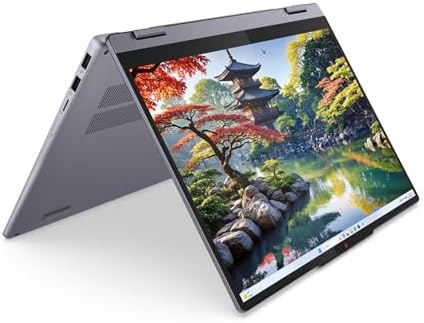
Tent Mode
The device is positioned in an inverted “V” shape using the hinge.
Best For:
- Watching videos
- Presentations
- Video conferencing
Stand Mode
The keyboard is folded underneath while the display remains upright.
Best For:
- Touchscreen interaction
- Media consumption
- Presentations
Benefits
- Adapts to various work environments
- Improves user comfort
- Enhances productivity
- Supports creative workflows
- Offers greater flexibility than traditional laptops
Practical Example
A teacher may create lesson plans in laptop mode, present material in stand mode, and annotate documents using a stylus in tablet mode—all on the same device.
Conclusion
The four defining features of a 2-in-1 laptop work together to create a highly flexible computing experience:
- Convertible or Detachable Design allows seamless transitions between laptop and tablet functionality.
- Touchscreen Display provides intuitive and direct interaction with content.
- Stylus or Pen Support enhances creativity, note-taking, and precision tasks.
- Versatile Usage Modes enable the device to adapt to different activities and environments.
Together, these features make 2-in-1 laptops ideal for students, professionals, creatives, educators, and anyone who values both productivity and flexibility in a single device.